Sold through a ClickBank-operated checkout, Audifort is a liquid drops (sublingual) whose label leads with Maca root, Grape seed extract and Green tea. The hearing-support category it competes in has a wide gap between advertising and evidence, which is exactly what this review measures. Below, we work through the verified formula ingredient by ingredient, grade the evidence honestly, and flag the commercial terms worth confirming at checkout.
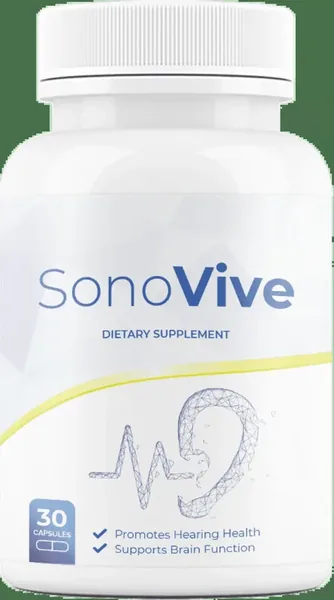
Readers weighing alternatives can compare our coverage of SonoVive and RingZen6.

Audifort
Affiliate link — opens the seller's site in a new tab. Terms on the checkout page govern the purchase.
- Format
- Liquid drops (sublingual)
- Category
- Ear & Hearing Health
- Brand
- Audifort
- Sold via
- ClickBank (retail checkout)
- Supply
- 60 ml dropper bottle (30-day supply)
- Best for
- Adults whose expectations match the graded evidence above
- Details verified
- August 7, 2026
What we verified
- Audifort is a liquid drops (sublingual) sold via ClickBank (retail checkout).
- The ingredient identities listed in this review match the product's published label.
- Suggested use: one dropper before breakfast and one before lunch, held under the tongue then swallowed, per label.
What remains unverified
- Complete per-serving ingredient amounts
- Current package pricing and any advertised discounts
- All effectiveness claims made in the product's marketing
- Refund window and guarantee conditions
Product Specifications
| Product format | Liquid drops (sublingual) |
|---|---|
| Servings / supply | 60 ml dropper bottle (30-day supply) |
| Label suggested use | One dropper before breakfast and one before lunch, held under the tongue then swallowed, per label |
| Brand | Audifort |
| Sold via | ClickBank (retail checkout) |
| Details last verified | August 7, 2026 |
What Is Audifort?
Audifort is a liquid drops (sublingual), marketed for hearing and ear health support. It is filed under our Ear & Hearing Health coverage.
The published label lists: Maca root, Grape seed extract, Green tea, GABA, Gymnema sylvestre, Capsicum annuum, Zinc, Vitamin B12.
What Buyers Are Asking About Audifort
This section analyzes buyer concerns editorially rather than quoting customers, because no Audifort feedback met our verification bar — and fabricating some is exactly what this site exists to avoid.
The practical questions that matter before ordering Audifort: is the charge one-time or recurring, what does the ClickBank order page state as the guarantee window, and does the per-bottle price change with bundle size.
Shipping and delivery-time complaints are endemic to the direct-response supplement world generally; keeping the order confirmation and noting the promised window creates the paper trail a refund claim needs. Audifort's transparency scorecard: named ingredients, yes; complete per-serving amounts, no. Buyers comparing hearing-support options should weight that disclosure gap accordingly.
Our Research
With Audifort's ingredient list verified, the evidence question becomes concrete rather than categorical. The honest evidence statement for this category is short: published research has not validated any supplement for hearing restoration or tinnitus elimination. Ginkgo — the most-tested ingredient — failed to beat placebo in well-designed tinnitus trials, and the NIDCD's management guidance centers on sound therapy, counseling and treating underlying causes rather than any pill. Reviews of products like Audifort have to start there, because the category's marketing consistently implies a science that does not exist. See the ingredient-by-ingredient grading below for how Audifort's specific formula measures up.
Is Audifort Legit or a Scam?
The Audifort purchase runs through ClickBank, an established digital retailer whose platform processes the payment and fields order-support requests.
That matters narrowly: the payment processor is identifiable and refunds route through a documented process, which says nothing about product quality. The manufacturer's own identity and manufacturing standards remain verified only to brand level for this review. Within our hearing health coverage it sits alongside SonoVive and RingZen6, held to the same verification standard.
Pros and Cons
Pros
- Sublingual format genuinely aids absorption of some ingredients
- Broad antioxidant and calming blend
- Sold through an identifiable ClickBank checkout
Cons
- No hearing-outcome evidence for any component
- 20+ ingredients spread the total into likely-trace amounts
- Guarantee window not confirmed at time of writing
Price and Discounts
We have not verified current package pricing against a live checkout, and we never quote prices we haven't confirmed — advertised supplement pricing changes frequently and varies by bundle. The official order page shows the binding figures; check the per-bottle math across bundles there, and screenshot the total before paying.
Where to Buy
Audifort is sold through ClickBank (retail checkout). ClickBank operates the checkout and refund process through its documented platform.
Affiliate link — see our disclosure. Prices and availability can change at any time.
How It Works
Audifort reframes hearing as a circulation-antioxidant-nervous-system problem and delivers a 20-plus-ingredient blend as sublingual drops, on the logic that under-the-tongue absorption improves uptake of components like GABA that are poorly absorbed as pills. The absorption argument has some merit for specific ingredients; the outcome argument does not follow from it — no component here has hearing-outcome evidence, the antioxidants and GABA rest on plausible-but-unproven mechanisms, and undisclosed amounts across 20-plus ingredients mean many are almost certainly present in trace quantities.
Ingredients and Scientific Support
| Ingredient | Amount | Marketed purpose | Evidence summary | Strength | Safety notes | Source |
|---|---|---|---|---|---|---|
| Grape seed extract | Not disclosed | Antioxidant support for inner-ear tissue | Proanthocyanidin antioxidant with general vascular research; hearing-specific human outcomes are not established | Insufficient | Generally well tolerated | Research |
| GABA | Not disclosed | Marketed to calm auditory nerve signaling | Oral GABA's ability to reach the brain is debated; tinnitus-outcome evidence is lacking | Insufficient | Generally tolerated; may add to sedatives | Research |
| Green tea | Not disclosed | Antioxidant/circulatory support | General antioxidant research; no hearing-outcome trials | Insufficient | High-dose extracts carry rare liver-injury reports | Research |
| Gymnema sylvestre | Not disclosed | Included via the formula's glucose-support rationale | Modest, inconsistent glucose evidence; no hearing outcomes | Insufficient | May add to glucose-lowering drugs | Research |
| Zinc | Not disclosed | Mineral marketed for hearing | May help only where a genuine zinc deficiency exists; no benefit in replete people | Limited | Long-term high intake causes copper deficiency | Research |
Evidence grades apply to research on individual ingredients at studied doses — not to the finished product, which has not been independently trialed. Where amounts read "Not disclosed", the label does not publish per-serving quantities.
Benefits
The fair reading: adults who want a non-capsule format and a broad antioxidant-and-calming blend get a distinctive sublingual product with a coherent (if unproven) rationale. The hard limits: no ingredient here is shown to improve hearing or tinnitus, a 20-plus-ingredient drops formula spreads its total across too many components to dose any well, and genuine hearing changes — especially sudden loss — are a same-week matter for an audiologist, not a supplement. Zinc's copper-depletion risk applies to anyone taking it long-term.
Potential Side Effects
Reading Audifort through the category's safety lens: the safety story in hearing support is mostly about time. Sudden hearing loss has a treatment window measured in days; one-sided or pulsatile tinnitus can signal structural problems; and hearing changes in general have identifiable, often treatable causes an audiological workup can find.
Every week spent testing a supplement against these symptoms is a week of diagnostic delay — the true cost hiding behind this category's marketing.
Stop use and seek medical advice if an adverse reaction occurs; seek emergency care for symptoms such as difficulty breathing or swelling of the face or throat.
Medication Interactions
Ginkgo increases bleeding risk with anticoagulants and antiplatelets; zinc at high doses affects copper absorption. Until the label is verified, treat interaction risk as unknown and disclose use to your pharmacist.
How to Use
Label directions: One dropper before breakfast and one before lunch, held under the tongue then swallowed, per label. Follow the product label and do not exceed the stated serving.
Refund Policy
The seller advertises a money-back guarantee through the ClickBank order system; confirm the exact window and conditions at checkout and keep your order confirmation.
Who Should Buy vs Avoid
May suit
Adults whose expectations match the graded evidence above — modest, ingredient-level support rather than transformation — and who have confirmed the checkout terms.
Should hold off or consult a professional
Anyone with sudden hearing loss should seek same-week medical care, not supplements. One-sided or pulsatile tinnitus needs evaluation to exclude structural causes. People on blood thinners should be cautious with ginkgo-containing formulas.
Final Verdict
Audifort's sublingual format is a real differentiator and its antioxidant-and-calming rationale is coherent, but no ingredient in it has hearing-outcome evidence, and spreading a blend across 20-plus components almost guarantees many are present in trace amounts. Genuine hearing changes — especially sudden loss — belong with an audiologist the same week, not a supplement. If you trial it anyway, confirm the guarantee window at checkout and mind zinc's long-term copper-depletion risk.
FAQs
No. Approval from the FDA applies to medicines, not supplements. A listing that claims it is misrepresenting how the category is regulated.
The official checkout funnel is the verified purchase path. Third-party marketplace listings are unverified and may not be genuine stock.
The order page's stated refund terms are what govern. Read them at checkout, note the deadline, and keep proof of purchase.
Because tinnitus and hearing loss are distressing, common and imperfectly treated — conditions that create motivated buyers. That commercial reality is precisely why we anchor this category to the NIH's guidance rather than to testimonials, and why refund terms matter more here than anywhere.
No supplement has published evidence for curing tinnitus or restoring hearing, and the NIH's guidance for tinnitus centers on sound therapy, counseling approaches and treating underlying causes. We state this plainly because this category's marketing routinely implies otherwise.
Start with an audiologist or ENT physician. They can identify treatable causes (earwax, medication effects, ear disorders), quantify any hearing loss, and set up evidence-based management like sound therapy or hearing aids where appropriate.
Sources
- Tinnitus. National Institute on Deafness and Other Communication Disorders (NIH), 2026. https://www.nidcd.nih.gov/health/tinnitus Accessed August 7, 2026.

About the author: Article Heaven Editorial Team
The Article Heaven Editorial Team researches, writes and maintains the reviews and guides on this site. The team works from public sources — product labels, merchant terms and published research — and follows the site's methodology and fact-checking policies, labeling anything unverifiable rather than guessing at it.
Was this article helpful?
Thanks — if something is wrong or out of date, please tell us; we handle it under the corrections policy.